Flea and Tick Control - Stokes Mosquito and Pest Services

Which Pests Stay Active in Winter Around Augusta and How They Enter Homes

Which Pests Stay Active in Winter Around Augusta and How They Enter Homes

Winter in the Augusta region brings cooler temperatures, but it does not stop pest activity. Many insects and rodents remain active throughout the colder months, especially when outdoor conditions limit their access to food, warmth, or moisture. Homes and buildings in Augusta, North Augusta, Aiken, and Evans become ideal overwintering sites. Understanding which pests are active in winter, and why they head indoors can help you know what to keep an eye out for and know when you may have an issue that needs to be addressed.

Rodents: House Mice and Norway Rats

House mice (Mus musculus) and Norway rats (Rattus norvegicus) stay active year round and commonly enter structures in winter because they need warmth and steady food sources. These rodents can squeeze through small openings, nest in wall voids, insulation, and attics, and reproduce even during cold months.

Research shows that mice only need a quarter-inch gap to enter a home, and rats require about a half-inch. This is why homes in Augusta and Evans often see new rodent activity shortly after temperatures drop.

Cockroaches: American, Smoky Brown, and German Species

Cockroaches do not hibernate. They remain active indoors when the environment provides warmth and moisture. In the CSRA, the most common winter intruders are:

American cockroach (Periplaneta americana)
Often associated with sewers, crawlspaces, and basements. They seek warm, humid indoor areas when temperatures fall.
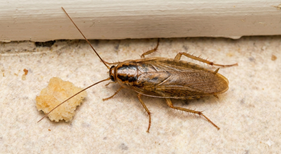
Smoky brown cockroach (Periplaneta fuliginosa)
Common in the Southeast, heavily documented by Clemson Extension. This species requires high humidity levels and often enters homes in Aiken and North Augusta during cold or dry periods in search of moisture and heat.

German cockroach (Blattella germanica)
A strictly indoor species that thrives in kitchens and bathrooms year round. Winter simply concentrates activity as they remain close to food and water sources.

Spiders Moving Indoors for Shelter and Food

University entomology programs consistently note that spiders move indoors in winter not because they want warmth, but because other insects have already moved in. The species most often seen in Augusta homes include:

Common house spider (Parasteatoda tepidariorum)
Frequently found in corners, garages, and basements.

Cellar spiders (Pholcidae family)
Known for long legs and preference for quiet, undisturbed spaces.

Southern black widow (Latrodectus mactans)
While not aggressive and generally solitary, they may be found in sheltered indoor areas such as garages or storage buildings during colder months.

Winter spider sightings usually indicate the presence of other indoor insects.

Overwintering Insects: Stink Bugs, Lady Beetles, and Cluster Flies

Many insect species use a strategy called overwintering diapause, where they seek protected indoor spaces until spring. According to USDA and university extension sources, the following are common winter entrants in the Southeast:

Brown marmorated stink bug (Halyomorpha halys)
Known for gathering in attics, wall voids, and window frames.
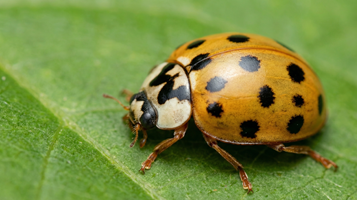
Multicolored Asian lady beetle (Harmonia axyridis)
Often congregates in large groups inside warm structures.

Cluster flies (Pollenia species)
Slow-moving flies that overwinter in attics and wall voids before reappearing on warm winter days.

These pests do not reproduce indoors during winter; they simply wait for spring.

Ants Responding to Indoor Heat Sources

Certain ant species in the Augusta area remain active year round. University research shows that odorous house ants (Tapinoma sessile) and Argentine ants (Linepithema humile) frequently move indoors in winter to access moisture and food sources.

Fire ants are mostly dormant during cold periods, but brief warm spells in Aiken and Evans can cause activity near structures.
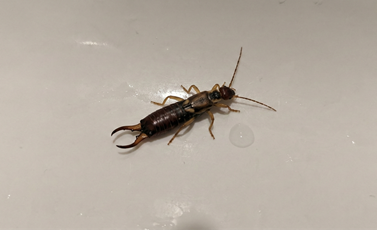
Silverfish and Earwigs Seeking Moisture
Silverfish (Lepisma saccharinum) and earwigs (Forficula auricularia) commonly enter homes in winter according to Clemson Extension. They favor humid, protected environments such as bathrooms, laundry rooms, and basements. Their presence indoors often indicates moisture issues rather than structural concerns.

What Can You Do To Safe Guard Your Home?

A few practical steps during the winter months can dramatically reduce the chances of pests entering your home. Research from university extension programs consistently shows that sealing entry points, reducing moisture, and limiting food access are the most effective long-term prevention methods. This checklist reflects those evidence-based practices:

  • Seal cracks and gaps around windows, exterior doors, foundations, and utility openings
  • Install or repair weatherstripping and door sweeps
  • Fix leaking pipes, faucets, and appliances that create moisture pockets
  • Clean gutters and ensure water drains away from the foundation
  • Store firewood at least twenty feet from the home and off the ground
  • Reduce clutter in basements, attics, garages, and storage areas
  • Keep food sealed in airtight containers and clean kitchen surfaces regularly
  • Vacuum and sweep often to reduce crumbs that attract rodents and roaches
  • Trim vegetation and tree limbs away from the exterior of the home
  • Check attic insulation and crawlspaces for signs of rodents or moisture buildup
  • Repair window screens and confirm vents are properly covered
  • Inspect doorframes, garage doors, and siding for gaps that rodents can squeeze through

These steps help limit access to the warmth and shelter that winter pests seek, especially when temperatures fluctuate across the CSRA.

What Can You Do To Safe Guard Your Home?

Because winter pests remain active in the Augusta area and often move indoors when temperatures drop, many homeowners choose scheduled pest control to keep problems from developing or returning. Stokes Mosquito and Pest offers general pest control on a bi-monthly or quarterly basis, depending on the level of activity and the needs of the home. Routine service helps eliminate existing pests, remove attractants, and create a long-term barrier that prevents future intrusions. With consistent inspections and targeted treatments throughout the year, your home stays protected through winter and well into the warmer months when pest pressure increases again.

Why Winter Pest Control Matters in Augusta, North Augusta, Aiken, and Evans

Winter doesn’t eliminate pest pressure. It concentrates it indoors. The pests most active during winter have three biological priorities:

  • They need warmth to survive
  • They need shelter from fluctuating temperatures
  • They need reliable food and moisture sources

Consistent winter pest control reduces the risk of indoor infestations and prevents small winter intrusions from turning into larger spring problems. Early prevention also protects against the structural and sanitary issues associated with overwintering pests.

Is your home protected? Contact us today for a free quote!

Why Early Winter Yard Maintenance in Augusta Helps Reduce Mosquitoes, Fire Ants and Other Pests Before Spring

Why Early Winter Yard Maintenance in Augusta Helps Reduce Mosquitoes, Fire Ants and Other Pests Before Spring

Homeowners in Augusta, North Augusta and the surrounding CSRA know that warm weather arrives early and pests arrive even earlier. Mosquitoes, fire ants, fleas and ticks don’t disappear just because temperatures cool down. Many insects survive winter by sheltering in protected spots around the yard, which is why early-season maintenance makes such a difference in reducing pest pressure before spring.

Preparing the yard during the early winter months eliminates conditions that support overwintering pests and makes spring pest control treatments far more effective.

How Mosquitoes Survive Winter in the Augusta Area

Mild winters in Augusta allow mosquitoes to bounce back fast each year. Even when it feels too cool for bites, many mosquito species lay eggs in standing water, damp soil, clogged gutters and shaded areas around the home. These eggs survive winter and hatch as soon as temperatures warm up.
A surprising detail about mosquitoes is that their eggs c
an survive freezing temperatures. Certain species produce drought-resistant, cold-tolerant eggs that remain dormant through winter and activate immediately when warm weather returns. This is one of the reasons removing winter water sources is so important for controlling next year’s mosquito activity.

Winter Yard Conditions That Support Fleas, Ticks and Fire Ants

Augusta’s climate gives several pests an advantage, even in the cooler months. Fire ants stay active underground and will begin expanding rapidly with the first warm days of late winter. Fleas and ticks shelter in leaf piles, shaded groundcover, pet areas, woodlines and undisturbed debris. When these places remain untouched through winter, spring infestations become much more intense.

Another interesting fact: ticks do not die off in winter. Instead they enter a state called diapause, which is similar to a low-power mode. They sit quietly in leaf litter waiting for the first stretch of warm weather. A cluttered winter yard makes the transition into spring far too easy for them.

Fire ants also take advantage of winter conditions through the structure of their colonies. Their tunnel networks help regulate heat by pulling warmth from sun-exposed surfaces down into deeper chambers. This allows the colony to stay active and ready to surge as soon as temperatures rise again.

Key Winter Yard Maintenance Steps for Pest Prevention

A few targeted steps in early winter can greatly reduce pest activity when the warm season begins.

  • Remove standing water from buckets, toys, tarps, flowerpots, wheelbarrows and low areas in the yard
  • Clear clogged gutters to prevent water buildup
  • Rake and remove leaf piles that shelter mosquitoes, ticks and fleas
  • Trim back dense shrubs and groundcover to reduce shaded, damp environments
  • Inspect for fire ant mounds so treatment can begin early
  • Improve drainage in consistently wet areas
  • Store outdoor equipment and items that collect water in a covered, dry location
  • Maintain ponds, birdbaths and water features to prevent mosquito larval development

Winter maintenance reduces the habitats pests rely on and creates a stronger foundation for upcoming treatments.

How Winter Pest Control Supports Spring Protection

Winter is an ideal time for a professional inspection. Technicians can identify hidden moisture issues, early fire ant activity, pest harborages and structural conditions that may contribute to spring infestations. Addressing these issues now reduces the overall pest load before temperatures rise.

Properties that undergo winter maintenance and off-season pest control typically see better results from mosquito barriers, fire ant treatments and general pest services when the season turns warm.

Why Augusta Homes Benefit From Seasonal Pest Planning

The Augusta and North Augusta region experiences long warm seasons, steady humidity and short winters. These conditions support early pest activity and faster population growth. Seasonal planning helps protect properties from excessive mosquito pressure, aggressive fire ant expansions and early flea and tick blooms.

Putting in the work now means fewer problems in spring, more effective professional treatments and a yard that becomes usable sooner in the season.

FALL BUGS ON THE MOVE: WHY PESTS START COMING INDOORS IN AUGUSTA

FALL BUGS ON THE MOVE: WHY PESTS START COMING INDOORS IN AUGUSTA

As cooler weather sets in across Augusta, GA, North Augusta, SC, Aiken, Grovetown, Evans, and the surrounding CSRA, outdoor pests start making their way inside. At Stokes Mosquito and Pest, we know this time of year is when homes become prime targets for unwanted guests. Our locally owned Augusta pest control company specializes in stopping bugs before they ever cross your threshold.

Common Pests to Watch For in the Augusta Area

  • Ants – A top complaint in Grovetown and Aiken homes. Ants sneak inside looking for food and water, especially when their outdoor supply runs low.
  • Cockroaches – Roaches love the warmth and moisture of Augusta kitchens and bathrooms. Once they’re inside, they spread quickly.
  • Spiders – These follow other insects indoors, and many Augusta and Grovetown homeowners see an increase in fall spider activity.
  • Stink Bugs and Lady Beetles – Seasonal invaders that creep into Aiken attics, Grovetown crawl spaces, and Augusta garages.

Why Pests Move Inside in Fall

In the CSRA region, the shift in temperature and daylight hours triggers insect behavior changes. Bugs in Augusta, Aiken, Grovetown, and Evans are simply trying to survive:

  • Warmth: Houses provide stable temperatures.
  • Food: Kitchens, pantries, and even pet food bowls attract pests.
  • Shelter: Cracks, gaps, and attic spaces become overwintering hideouts.

Pest Prevention Tips for Homeowners in Augusta, SC, and Beyond

  • Seal entry points around doors, windows, and siding.
  • Keep gutters clear and reduce standing water near foundations.
  • Store firewood away from the house to reduce roach and ant activity.
  • Keep kitchens and pet feeding areas clean.
  • Schedule consistent outdoor pest control treatments to stop infestations before they start.

Stokes’ Approach to Pest Control in Augusta, Grovetown, and Aiken

At Stokes Mosquito and Pest, our mission is to protect homes across the Augusta area with proactive solutions. Instead of waiting until pests are inside, our technicians build a protective barrier around your property. Regular exterior treatments stop fire ants before they spread, and reduce the chances of roaches, spiders, and stink bugs ever making it through your doors.

We’re proud to be a locally owned business serving families in Augusta, North Augusta, Grovetown, Evans, Martinez, and Aiken. With guaranteed results and flexible treatment plans, we make sure your home stays comfortable, safe, and pest-free year-round.

Call Today for Local Pest Control in the CSRA

Fall pests won’t wait, and neither should you. Whether you’re in Augusta, Aiken, Grovetown, Evans, or any surrounding community, Stokes Mosquito and Pest is ready to help. Call us today or request a free quote online, and let’s keep the bugs outside where they belong.

FAQs About Fall Pest Control in Augusta, Aiken, Grovetown, and Evans

Do stink bugs bite?
 No, stink bugs don’t bite or sting, but they release a foul odor when squashed. In places like Aiken and Grovetown, they’re mostly just a nuisance — but one that’s best handled before they fill up your attic or walls.

Why do ants always end up in my kitchen?
 Ants in Augusta, Evans, and Grovetown are drawn to food and water. Even the smallest crumbs or drips are enough to keep a colony coming back. Regular treatments from Stokes Mosquito and Pest help cut them off before they ever reach your pantry.

Are cockroaches common in Augusta homes?
 Yes. Warm weather and high humidity make Augusta and North Augusta prime roach territory. Once they’re indoors, they multiply quickly and can carry allergens and bacteria. Consistent perimeter pest control is key to keeping them out.

How can I keep spiders out of my house?
 Spiders follow other insects. If you reduce the number of bugs entering your Grovetown or Aiken home with outdoor treatments, you’ll naturally reduce spider activity too.

Is professional pest control worth it in the fall?
 Absolutely. Fall is when pests start looking for overwintering spots. Investing in professional pest control in Augusta or Aiken means your home stays protected now and throughout the colder months.

HELP GET RID OF FLEAS AND TICKS IN YOUR YARD

HELP GET RID OF FLEAS AND TICKS IN YOUR YARD

Living in the South means that flea and tick season is year-round. Typically, ticks are more active in the warmer months, beginning in March and April, and they become less common after nighttime temperatures begin to drop below freezing.

You need to be aware of fleas and ticks in wooded outdoor areas, but they can also invade your own yard, especially if you have pets or see a lot of wildlife.

Here are a few ways to fight back:

  • Remember to consistently treat your pets for fleas and ticks. Your vet offers a variety of both preventative and remediative flea and tick treatments. Ticks can cause diseases in both humans and animals.
  • Maintain your lawn and outdoor areas. Take time to trim back bushes and plants, and clean up clippings and yard waste that may harbor moisture. Overgrown grass and bushes provide shady spaces for fleas to avoid the heat of the sun and more homes for ticks. It’s also an incentive to keep your yard clean and free of stacks of old flower pots, logs, bricks and other debris, that may provide a home for fleas and ticks.
  • Discourage other wildlife from visiting your yard. Animals like squirrels, deer, rabbits, raccoons and mice can transport fleas or ticks to your yard. Take the time to patch up holes in your fence. Keep your garbage cans fully closed, and clean up scattered bird seed and pet food. If you are planting, ask an expert which plants are deer-resistant.

Stokes Mosquito and Outdoor Pest Service can also help. Our flea and tick treatments are customized for your property and come with a satisfaction guarantee. The misting treatment used also helps prevent mosquitoes!

Ready to get started? Contact us online or call (803) 759-2110 today.

Say goodbye bugs and hello to spending time outside again. Stokes Mosquito and Outdoor Pest Service is a full-service outdoor pest control company, specializing in mosquito, fire ant, flea & tick control. Our custom treatment plans include all-natural, plant-based options and are bee and pollinator-friendly. We proudly serve the greater Augusta, GA, area, including Evans, Martinez, Grovetown, North Augusta, Edgefield and Aiken. Ask us about our 21-day mosquito “bite free” guarantee!

Call Now