admin - Stokes Mosquito and Pest Services

Common Household Pests in the CSRA and Why They’re So Active Around Augusta and North Augusta

Common Household Pests in the CSRA and Why They’re So Active Around Augusta and North Augusta

Homeowners throughout the Central Savannah River Area deal with pest problems far more often than people in cooler parts of the country. Communities across Augusta, North Augusta, Evans, Martinez, Grovetown, and Aiken all share the same warm, humid climate that allows insects and other pests to stay active for most of the year.

The Augusta area has a humid subtropical climate with long summers and relatively mild winters. Average summer temperatures regularly reach the 90s, and the region receives roughly 45 inches of rainfall each year. Those conditions create an ideal environment for many pest species to survive and reproduce.

Because of this climate, homeowners across Richmond County, Columbia County, and Aiken County commonly encounter pests like ants, cockroaches, spiders, and stinging insects around their homes. Once these pests establish themselves near a property, they often only need small structural openings to move indoors.

Understanding why pests are so common in the CSRA and how they typically enter homes can help property owners take steps to prevent infestations before they start.

Why Pest Problems Are So Common in the CSRA

The Augusta metropolitan area sits along the Savannah River and includes a combination of wooded land, suburban neighborhoods, and older residential areas. This mix of environments provides ideal habitats for insects and other pests.

Warm temperatures allow insects to reproduce multiple times during the year, while high humidity helps many pests survive indoors. Tree cover and dense vegetation around homes also provide shelter for insects before they eventually move inside structures in search of food or water.

Many neighborhoods in Evans, Martinez, Grovetown, and North Augusta also include landscaped yards, irrigation systems, and shaded areas that maintain moisture in the soil. These conditions create favorable environments for insects such as ants and cockroaches to establish colonies close to homes.

When pest populations increase outdoors, it becomes much easier for them to find their way inside.

Ant Problems Homeowners See Most Often

Ant infestations are one of the most common pest complaints among homeowners throughout the CSRA. Residents in communities like Evans and Martinez often experience seasonal ant activity around their homes, while older neighborhoods in Augusta and North Augusta frequently see ants entering through foundation cracks and gaps.

Several species are common in the area, including red imported fire ants, odorous house ants, pavement ants, and carpenter ants.

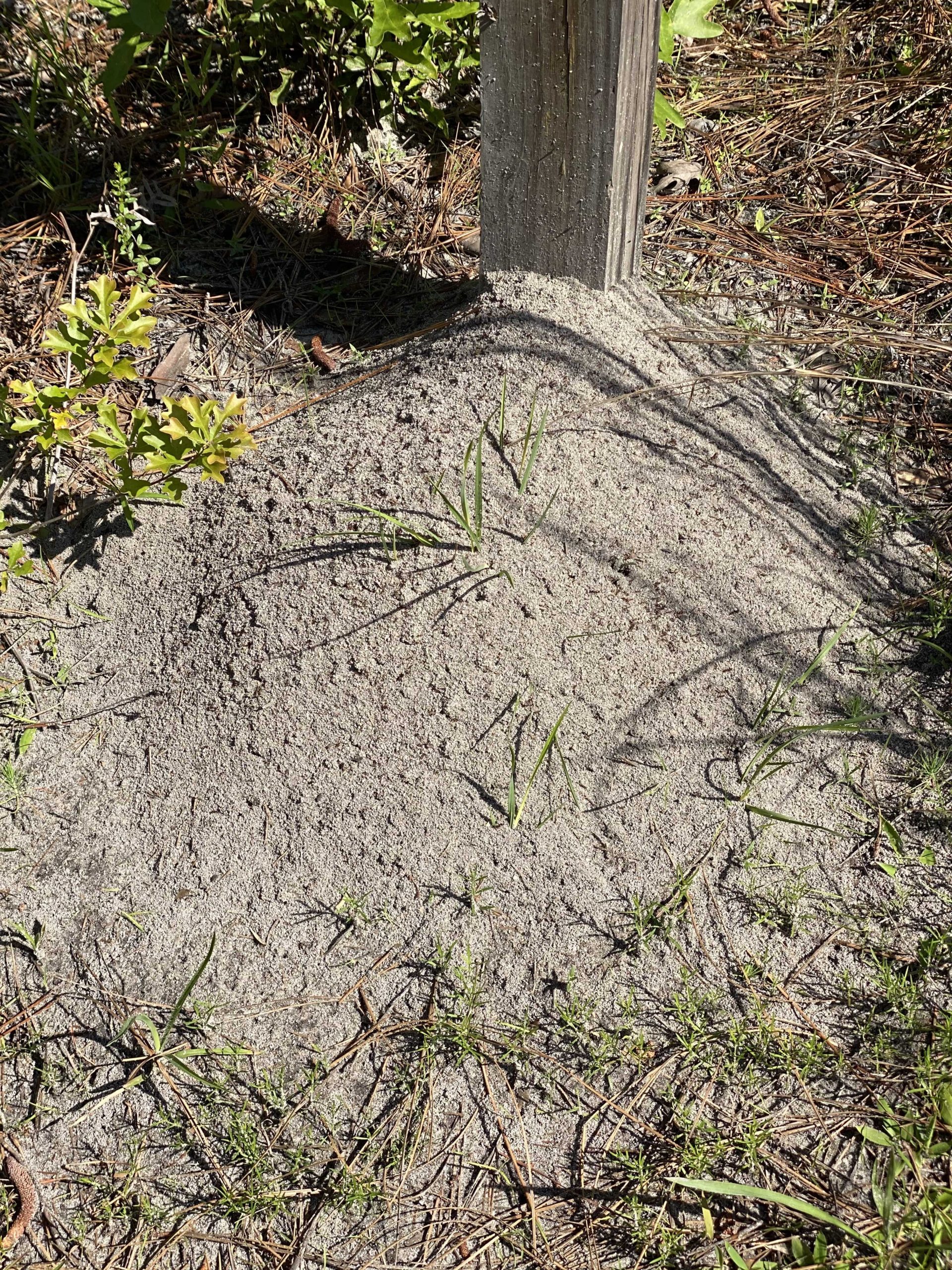
Fire ants are a major concern for homeowners throughout the CSRA. Red imported fire ants are common across the southeastern United States and are known for building large mound-shaped nests in lawns, gardens, parks, and open fields. This is noticed often times after a heavy rain. These ants are especially aggressive and will swarm quickly if their mound is disturbed. Unlike many other ant species, fire ants deliver painful stings that can cause burning sensations and raised welts, and some individuals may experience allergic reactions. Fire ant colonies can contain hundreds of thousands of ants and may spread rapidly across a property if left untreated. Lawns with full sun, moist soil, and open turf areas often provide ideal nesting conditions, which is why many residential yards in the CSRA experience recurring fire ant activity during the warmer months.

Other ants can be a nuisance as well such as odorous house ants which are often attracted to sugary foods and are commonly found in kitchens and pantries. Pavement ants typically build nests in soil near sidewalks, driveways, and home foundations. They often enter homes through small cracks in concrete or masonry.

Carpenter ants are larger and create nesting galleries in damp or damaged wood. Although they do not consume wood like termites, their tunneling can weaken structural materials over time. Homes located near wooded areas in Martinez, Evans, and Aiken often experience more carpenter ant activity because these environments provide natural nesting sites.

Cockroaches Thrive in Warm, Humid Homes

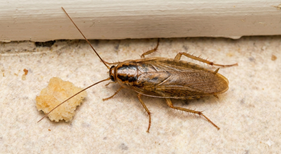
Cockroaches are another pest that thrives in the warm and humid conditions found throughout the CSRA. Homes across Augusta, North Augusta, and surrounding communities frequently encounter both American cockroaches and German cockroaches.

American cockroaches are large reddish-brown insects sometimes referred to as palmetto bugs. They are often found in crawl spaces, basements, sewer systems, and other damp areas before entering homes.

German cockroaches are smaller but reproduce very quickly. A single female German cockroach can produce thousands of offspring in a single year, which allows infestations to grow rapidly if they are not addressed early.

Cockroaches are typically attracted to food residue, grease buildup, and moisture. Kitchens, bathrooms, laundry rooms, and areas behind appliances are common locations where roaches hide inside homes.

Noticing unwanted pests? Contact us for bi-monthly or quarterly general pest services and stay bug free year round!

Why Spiders Often Appear Indoors

Spiders are another pest commonly encountered inside homes across the Augusta area. Although most spiders found in the CSRA are harmless, they can still make homeowners uncomfortable.

Spiders typically enter homes in search of prey, which means their presence often indicates that other insects are already nearby. Common spider species in the region include wolf spiders, cellar spiders, and house spiders.

Although most spiders found inside homes are harmless, the Southeast is also home to black widow spiders. These spiders typically live outdoors in dark, sheltered areas such as sheds, crawl spaces, and wood piles, and encounters inside homes are relatively uncommon as black widows are shy and avoid humans.

Homes located near wooded areas in Aiken, Grovetown, and parts of Martinez and Evans often see higher spider activity because outdoor insect populations are greater in these environments.

Garages, basements, crawl spaces, and quiet corners of rooms provide ideal locations for spiders to build webs and hunt insects.

Wasps and Stinging Insects Around Homes

Stinging insects are another common pest issue for homeowners throughout the CSRA. Residents in Augusta, North Augusta, Evans, Martinez, Grovetown, and Aiken frequently encounter wasps building nests around homes during the warmer months.

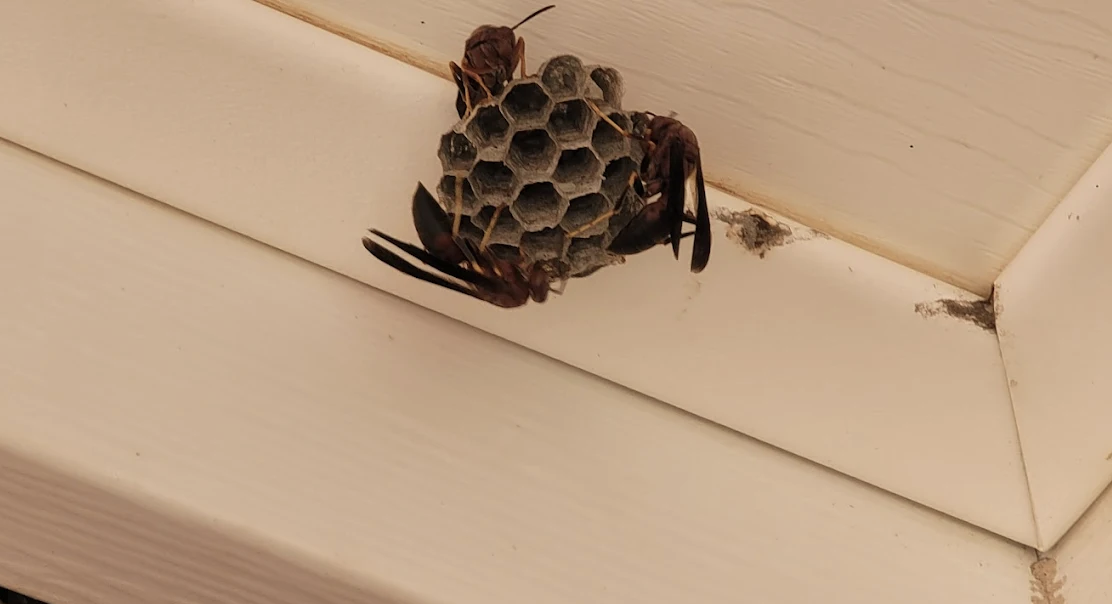
Several species are common in the region, including paper wasps, yellowjackets, and mud daubers. Paper wasps often build umbrella-shaped nests under eaves, porch ceilings, deck railings, and other protected outdoor structures. Yellowjackets typically build nests in the ground or inside wall voids and can become aggressive if their nest is disturbed.

Mud daubers are solitary wasps that create tube-shaped nests made of mud, often attaching them to exterior walls, garages, and sheds. While mud daubers are generally less aggressive than other wasp species, their nests can still become a nuisance around entryways and outdoor living spaces.

Because the CSRA has a long warm season, wasp activity can begin in early spring and continue well into the fall. Homes with covered porches, outdoor lighting, and sheltered rooflines often provide ideal locations for nests to develop.

Regular exterior inspections and early nest removal can help prevent stinging insect populations from growing around the home.
wasp nest

How Pests Enter Homes

Many pest infestations begin when insects find small structural gaps that homeowners may not notice. Cracks in foundations, gaps around windows and doors, openings around plumbing lines, and attic vents are all common entry points.

Garage doors that do not seal properly against the ground can also allow pests to enter. In Augusta and North Augusta, where many homes are built with crawl spaces instead of basements, moisture underneath homes can attract insects and create ideal nesting conditions.

Regular inspections and sealing these openings can significantly reduce the chances of pests entering a home.

The Importance of Preventative Pest Control

In warm climates like the CSRA, pest problems rarely disappear on their own. Many insects reproduce quickly, and once a colony becomes established inside a structure it can become difficult to eliminate.

Preventative pest control focuses on identifying entry points, treating the exterior of the home, and monitoring pest activity throughout the year. Regular service helps create a protective barrier around a property and reduces the likelihood of infestations developing indoors.

Because the pest pressures in Augusta, North Augusta, Evans, Martinez, Grovetown, and Aiken are influenced by similar environmental conditions, many homeowners benefit from year-round pest control programs designed specifically for the region. We offer general pest control treatments on a bi-monthly or quarterly basis depending on the pest pressure at your home.

Protecting Your Home From Pests in the CSRA

Pest activity is a normal part of life in the Augusta area, but homeowners can still take steps to reduce the likelihood of infestations. Sealing entry points, reducing excess moisture around the home, storing food properly, and maintaining a clean environment all help discourage pests.

Regular pest control service can also help identify potential problems early and prevent infestations from becoming more serious.

Stokes Mosquito and Pest provides pest control services throughout Augusta, North Augusta, Evans, Martinez, Grovetown, Aiken, and surrounding communities across the CSRA.

FAQ: Pest Control in the Augusta Area

What pests are most common in the CSRA?

Common pests in the Augusta area include ants, cockroaches, spiders, termites, fleas, mosquitoes, and stinging insects like wasps and yellowjackets. The region’s warm climate allows many of these pests to stay active for much of the year.

Why are there so many bugs in Augusta and North Augusta?

The humid subtropical climate, consistent rainfall, and long warm seasons create ideal breeding conditions for insects and other pests.

How often should homes receive pest control treatments?

Our solutions are labeled to last up to 90 days. We recommend quarterly  or bi-monthly treatments to help maintain a protective barrier around the home and reduce the chance of infestations.

Do newer homes in Evans and Grovetown still experience pest problems?

Yes. Even newly built homes can experience pest issues. Construction can disturb existing insect habitats, which sometimes pushes pests toward nearby houses.

Don’t wait until pests are out of control! Schedule your first treatment today!
The Hidden Termite Damage Most Homeowners Never See

The Hidden Termite Damage Most Homeowners Never See

Termites cause damage quietly, slowly, and out of sight. That’s not accidental. Subterranean termites, which are the most common species in Augusta, North Augusta, Aiken, Evans, Grovetown, and Martinez, are built to avoid light, air, and human attention.

They also don’t rest. Termite colonies feed and expand around the clock, which means damage continues even when nothing appears to be changing inside the home.

Most infestations begin underground and move upward into a home’s structure. By the time visible damage appears, termites have often been active for months or even years. In many cases, the majority of the damage has already occurred before homeowners notice anything unusual. This is why termite problems are rarely discovered early and why inspections and prevention play such an important role.

Where Termites Actually Live and Work

In this region, termites typically enter homes through soil near the foundation. They can squeeze through cracks as small as 1/32 of an inch, thinner than a credit card, making even minor foundation gaps a potential entry point. Once inside, they build mud tubes to protect themselves as they travel between the ground and wood structures.

Termites feed on framing, subfloors, sill plates, and other structural wood components. They also consume materials many homeowners don’t associate with termites, including drywall backing, insulation, and paper products, as long as cellulose is present.

Common activity areas include crawl spaces, behind baseboards, inside wall voids, around plumbing penetrations, and beneath flooring. These spaces are rarely part of daily household routines, which allows termites to remain undetected.

Because the damage occurs internally, walls, floors, and trim can look completely normal even when structural wood has already been compromised.

What a Professional Termite Inspection Looks For

A professional termite inspection goes far beyond checking for live insects. Inspectors evaluate both current activity and conditions that make termite infestations more likely.

This includes looking for mud tubes, damaged or hollow-sounding wood, moisture accumulation, wood-to-ground contact, and signs of previous termite damage. It’s also important to note that early infestations don’t always produce visible mud tubes. In many cases, termite activity begins behind walls or under flooring where surface signs are not yet present.

Inspectors also assess drainage, ventilation, and construction features that may allow termites easier access. In many cases, inspections uncover risk factors before termites become active. Addressing these early helps prevent infestations rather than reacting to them later.

Why Moisture Is One of the Biggest Risk Factors

Termites require moisture to survive. In humid areas like the CSRA, crawl spaces and foundations often retain moisture if drainage or ventilation is inadequate.

Leaking pipes, poor grading around the home, clogged gutters, or standing water near the foundation can all increase termite risk. Even small, long-term moisture issues can create ideal conditions for termite colonies to establish and grow. Once moisture problems exist, termites are far more likely to remain active and spread unnoticed.

Reducing moisture levels is one of the most effective ways to support long-term termite prevention.

How Preventative Treatments Protect the Structure

Preventative termite treatments create a protective barrier around or beneath the home that deters termites from entering or surviving near the structure. These treatments are designed to interrupt termite activity before damage occurs.

Homes with preventative treatments in place are less likely to show active infestations during inspections and typically experience fewer issues over time. While prevention cannot guarantee termites will never appear, it dramatically lowers the risk and severity of potential problems.

This is especially important because termite damage is often not covered by standard homeowners insurance, since infestations are considered preventable. In termite-prone areas like Evans, Grovetown, and Martinez, prevention is often far more cost-effective than treating an active infestation and repairing structural damage afterward.

Why Inspections Matter During Home Sales and Refinancing

Many real estate transactions require a Wood Destroying Organism (WDO) inspection. These inspections help buyers and lenders determine whether termites or other wood-destroying organisms are present and whether conditions exist that could lead to future damage.

A WDIR, or Wood Destroying Insect Report, documents the findings of the inspection. If termites, previous damage, or high-risk conditions are identified late in the transaction, treatment or repairs may be required before closing can proceed.

At Stokes Mosquito and Pest, we provide WDO inspections and WDIRs for homes throughout Augusta, North Augusta, Aiken, Evans, Grovetown, and Martinez. When homes are maintained with regular inspections and preventative care, these reports are often straightforward and free of surprises.

Staying Ahead of a Problem Designed to Stay Hidden

Termites rely on time, moisture, and limited visibility. They don’t need attention to cause damage, and colonies can grow to hundreds of thousands or even millions of termites without ever being seen.

Regular inspections and preventative treatments help homeowners stay ahead of a problem that is specifically designed to go unnoticed. When termite protection is already in place, inspections tend to confirm what homeowners hope to hear. When protection has been ignored, inspections often uncover problems that could have been prevented years earlier.

In regions like the CSRA, proactive termite care isn’t excessive. It’s practical home maintenance.

Frequently Asked Questions

Why are termites difficult to detect without an inspection?
Termites live underground and inside wood structures, avoid light and open air, and can cause extensive internal damage before any visible signs appear.

How often should termite inspections be performed in this area?
Annual termite inspections are recommended for most homes in Augusta, North Augusta, and surrounding CSRA communities due to high termite activity.

What is included in a WDO inspection?
A WDO inspection checks for termites and other wood-destroying organisms, evaluates damage, and identifies conditions that increase the risk of infestation.

What is a WDIR used for?
A WDIR documents inspection findings and is commonly required by lenders during home purchases or refinancing.

Is termite prevention more effective than treatment?
Preventative termite treatments typically cost less, reduce the risk of infestation, and help homeowners avoid extensive damage and repair costs later.

Which Pests Stay Active in Winter Around Augusta and How They Enter Homes

Which Pests Stay Active in Winter Around Augusta and How They Enter Homes

Winter in the Augusta region brings cooler temperatures, but it does not stop pest activity. Many insects and rodents remain active throughout the colder months, especially when outdoor conditions limit their access to food, warmth, or moisture. Homes and buildings in Augusta, North Augusta, Aiken, and Evans become ideal overwintering sites. Understanding which pests are active in winter, and why they head indoors can help you know what to keep an eye out for and know when you may have an issue that needs to be addressed.

Rodents: House Mice and Norway Rats

House mice (Mus musculus) and Norway rats (Rattus norvegicus) stay active year round and commonly enter structures in winter because they need warmth and steady food sources. These rodents can squeeze through small openings, nest in wall voids, insulation, and attics, and reproduce even during cold months.

Research shows that mice only need a quarter-inch gap to enter a home, and rats require about a half-inch. This is why homes in Augusta and Evans often see new rodent activity shortly after temperatures drop.

Cockroaches: American, Smoky Brown, and German Species

Cockroaches do not hibernate. They remain active indoors when the environment provides warmth and moisture. In the CSRA, the most common winter intruders are:

American cockroach (Periplaneta americana)
Often associated with sewers, crawlspaces, and basements. They seek warm, humid indoor areas when temperatures fall.

Smoky brown cockroach (Periplaneta fuliginosa)
Common in the Southeast, heavily documented by Clemson Extension. This species requires high humidity levels and often enters homes in Aiken and North Augusta during cold or dry periods in search of moisture and heat.

German cockroach (Blattella germanica)
A strictly indoor species that thrives in kitchens and bathrooms year round. Winter simply concentrates activity as they remain close to food and water sources.

Spiders Moving Indoors for Shelter and Food

University entomology programs consistently note that spiders move indoors in winter not because they want warmth, but because other insects have already moved in. The species most often seen in Augusta homes include:

Common house spider (Parasteatoda tepidariorum)
Frequently found in corners, garages, and basements.

Cellar spiders (Pholcidae family)
Known for long legs and preference for quiet, undisturbed spaces.

Southern black widow (Latrodectus mactans)
While not aggressive and generally solitary, they may be found in sheltered indoor areas such as garages or storage buildings during colder months.

Winter spider sightings usually indicate the presence of other indoor insects.

Overwintering Insects: Stink Bugs, Lady Beetles, and Cluster Flies

Many insect species use a strategy called overwintering diapause, where they seek protected indoor spaces until spring. According to USDA and university extension sources, the following are common winter entrants in the Southeast:

Brown marmorated stink bug (Halyomorpha halys)
Known for gathering in attics, wall voids, and window frames.

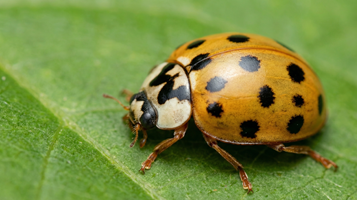
Multicolored Asian lady beetle (Harmonia axyridis)
Often congregates in large groups inside warm structures.

Cluster flies (Pollenia species)
Slow-moving flies that overwinter in attics and wall voids before reappearing on warm winter days.

These pests do not reproduce indoors during winter; they simply wait for spring.

Ants Responding to Indoor Heat Sources

Certain ant species in the Augusta area remain active year round. University research shows that odorous house ants (Tapinoma sessile) and Argentine ants (Linepithema humile) frequently move indoors in winter to access moisture and food sources.

Fire ants are mostly dormant during cold periods, but brief warm spells in Aiken and Evans can cause activity near structures.

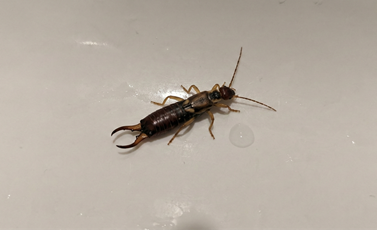
Silverfish and Earwigs Seeking Moisture
Silverfish (Lepisma saccharinum) and earwigs (Forficula auricularia) commonly enter homes in winter according to Clemson Extension. They favor humid, protected environments such as bathrooms, laundry rooms, and basements. Their presence indoors often indicates moisture issues rather than structural concerns.

What Can You Do To Safe Guard Your Home?

A few practical steps during the winter months can dramatically reduce the chances of pests entering your home. Research from university extension programs consistently shows that sealing entry points, reducing moisture, and limiting food access are the most effective long-term prevention methods. This checklist reflects those evidence-based practices:

  • Seal cracks and gaps around windows, exterior doors, foundations, and utility openings
  • Install or repair weatherstripping and door sweeps
  • Fix leaking pipes, faucets, and appliances that create moisture pockets
  • Clean gutters and ensure water drains away from the foundation
  • Store firewood at least twenty feet from the home and off the ground
  • Reduce clutter in basements, attics, garages, and storage areas
  • Keep food sealed in airtight containers and clean kitchen surfaces regularly
  • Vacuum and sweep often to reduce crumbs that attract rodents and roaches
  • Trim vegetation and tree limbs away from the exterior of the home
  • Check attic insulation and crawlspaces for signs of rodents or moisture buildup
  • Repair window screens and confirm vents are properly covered
  • Inspect doorframes, garage doors, and siding for gaps that rodents can squeeze through

These steps help limit access to the warmth and shelter that winter pests seek, especially when temperatures fluctuate across the CSRA.

What Can You Do To Safe Guard Your Home?

Because winter pests remain active in the Augusta area and often move indoors when temperatures drop, many homeowners choose scheduled pest control to keep problems from developing or returning. Stokes Mosquito and Pest offers general pest control on a bi-monthly or quarterly basis, depending on the level of activity and the needs of the home. Routine service helps eliminate existing pests, remove attractants, and create a long-term barrier that prevents future intrusions. With consistent inspections and targeted treatments throughout the year, your home stays protected through winter and well into the warmer months when pest pressure increases again.

Why Winter Pest Control Matters in Augusta, North Augusta, Aiken, and Evans

Winter doesn’t eliminate pest pressure. It concentrates it indoors. The pests most active during winter have three biological priorities:

  • They need warmth to survive
  • They need shelter from fluctuating temperatures
  • They need reliable food and moisture sources

Consistent winter pest control reduces the risk of indoor infestations and prevents small winter intrusions from turning into larger spring problems. Early prevention also protects against the structural and sanitary issues associated with overwintering pests.

Is your home protected? Contact us today for a free quote!

Why Early Winter Yard Maintenance in Augusta Helps Reduce Mosquitoes, Fire Ants and Other Pests Before Spring

Why Early Winter Yard Maintenance in Augusta Helps Reduce Mosquitoes, Fire Ants and Other Pests Before Spring

Homeowners in Augusta, North Augusta and the surrounding CSRA know that warm weather arrives early and pests arrive even earlier. Mosquitoes, fire ants, fleas and ticks don’t disappear just because temperatures cool down. Many insects survive winter by sheltering in protected spots around the yard, which is why early-season maintenance makes such a difference in reducing pest pressure before spring.

Preparing the yard during the early winter months eliminates conditions that support overwintering pests and makes spring pest control treatments far more effective.

How Mosquitoes Survive Winter in the Augusta Area

Mild winters in Augusta allow mosquitoes to bounce back fast each year. Even when it feels too cool for bites, many mosquito species lay eggs in standing water, damp soil, clogged gutters and shaded areas around the home. These eggs survive winter and hatch as soon as temperatures warm up.
A surprising detail about mosquitoes is that their eggs c
an survive freezing temperatures. Certain species produce drought-resistant, cold-tolerant eggs that remain dormant through winter and activate immediately when warm weather returns. This is one of the reasons removing winter water sources is so important for controlling next year’s mosquito activity.

Winter Yard Conditions That Support Fleas, Ticks and Fire Ants

Augusta’s climate gives several pests an advantage, even in the cooler months. Fire ants stay active underground and will begin expanding rapidly with the first warm days of late winter. Fleas and ticks shelter in leaf piles, shaded groundcover, pet areas, woodlines and undisturbed debris. When these places remain untouched through winter, spring infestations become much more intense.

Another interesting fact: ticks do not die off in winter. Instead they enter a state called diapause, which is similar to a low-power mode. They sit quietly in leaf litter waiting for the first stretch of warm weather. A cluttered winter yard makes the transition into spring far too easy for them.

Fire ants also take advantage of winter conditions through the structure of their colonies. Their tunnel networks help regulate heat by pulling warmth from sun-exposed surfaces down into deeper chambers. This allows the colony to stay active and ready to surge as soon as temperatures rise again.

Key Winter Yard Maintenance Steps for Pest Prevention

A few targeted steps in early winter can greatly reduce pest activity when the warm season begins.

  • Remove standing water from buckets, toys, tarps, flowerpots, wheelbarrows and low areas in the yard
  • Clear clogged gutters to prevent water buildup
  • Rake and remove leaf piles that shelter mosquitoes, ticks and fleas
  • Trim back dense shrubs and groundcover to reduce shaded, damp environments
  • Inspect for fire ant mounds so treatment can begin early
  • Improve drainage in consistently wet areas
  • Store outdoor equipment and items that collect water in a covered, dry location
  • Maintain ponds, birdbaths and water features to prevent mosquito larval development

Winter maintenance reduces the habitats pests rely on and creates a stronger foundation for upcoming treatments.

How Winter Pest Control Supports Spring Protection

Winter is an ideal time for a professional inspection. Technicians can identify hidden moisture issues, early fire ant activity, pest harborages and structural conditions that may contribute to spring infestations. Addressing these issues now reduces the overall pest load before temperatures rise.

Properties that undergo winter maintenance and off-season pest control typically see better results from mosquito barriers, fire ant treatments and general pest services when the season turns warm.

Why Augusta Homes Benefit From Seasonal Pest Planning

The Augusta and North Augusta region experiences long warm seasons, steady humidity and short winters. These conditions support early pest activity and faster population growth. Seasonal planning helps protect properties from excessive mosquito pressure, aggressive fire ant expansions and early flea and tick blooms.

Putting in the work now means fewer problems in spring, more effective professional treatments and a yard that becomes usable sooner in the season.

FALL BUGS ON THE MOVE: WHY PESTS START COMING INDOORS IN AUGUSTA

FALL BUGS ON THE MOVE: WHY PESTS START COMING INDOORS IN AUGUSTA

As cooler weather sets in across Augusta, GA, North Augusta, SC, Aiken, Grovetown, Evans, and the surrounding CSRA, outdoor pests start making their way inside. At Stokes Mosquito and Pest, we know this time of year is when homes become prime targets for unwanted guests. Our locally owned Augusta pest control company specializes in stopping bugs before they ever cross your threshold.

Common Pests to Watch For in the Augusta Area

  • Ants – A top complaint in Grovetown and Aiken homes. Ants sneak inside looking for food and water, especially when their outdoor supply runs low.
  • Cockroaches – Roaches love the warmth and moisture of Augusta kitchens and bathrooms. Once they’re inside, they spread quickly.
  • Spiders – These follow other insects indoors, and many Augusta and Grovetown homeowners see an increase in fall spider activity.
  • Stink Bugs and Lady Beetles – Seasonal invaders that creep into Aiken attics, Grovetown crawl spaces, and Augusta garages.

Why Pests Move Inside in Fall

In the CSRA region, the shift in temperature and daylight hours triggers insect behavior changes. Bugs in Augusta, Aiken, Grovetown, and Evans are simply trying to survive:

  • Warmth: Houses provide stable temperatures.
  • Food: Kitchens, pantries, and even pet food bowls attract pests.
  • Shelter: Cracks, gaps, and attic spaces become overwintering hideouts.

Pest Prevention Tips for Homeowners in Augusta, SC, and Beyond

  • Seal entry points around doors, windows, and siding.
  • Keep gutters clear and reduce standing water near foundations.
  • Store firewood away from the house to reduce roach and ant activity.
  • Keep kitchens and pet feeding areas clean.
  • Schedule consistent outdoor pest control treatments to stop infestations before they start.

Stokes’ Approach to Pest Control in Augusta, Grovetown, and Aiken

At Stokes Mosquito and Pest, our mission is to protect homes across the Augusta area with proactive solutions. Instead of waiting until pests are inside, our technicians build a protective barrier around your property. Regular exterior treatments stop fire ants before they spread, and reduce the chances of roaches, spiders, and stink bugs ever making it through your doors.

We’re proud to be a locally owned business serving families in Augusta, North Augusta, Grovetown, Evans, Martinez, and Aiken. With guaranteed results and flexible treatment plans, we make sure your home stays comfortable, safe, and pest-free year-round.

Call Today for Local Pest Control in the CSRA

Fall pests won’t wait, and neither should you. Whether you’re in Augusta, Aiken, Grovetown, Evans, or any surrounding community, Stokes Mosquito and Pest is ready to help. Call us today or request a free quote online, and let’s keep the bugs outside where they belong.

FAQs About Fall Pest Control in Augusta, Aiken, Grovetown, and Evans

Do stink bugs bite?
 No, stink bugs don’t bite or sting, but they release a foul odor when squashed. In places like Aiken and Grovetown, they’re mostly just a nuisance — but one that’s best handled before they fill up your attic or walls.

Why do ants always end up in my kitchen?
 Ants in Augusta, Evans, and Grovetown are drawn to food and water. Even the smallest crumbs or drips are enough to keep a colony coming back. Regular treatments from Stokes Mosquito and Pest help cut them off before they ever reach your pantry.

Are cockroaches common in Augusta homes?
 Yes. Warm weather and high humidity make Augusta and North Augusta prime roach territory. Once they’re indoors, they multiply quickly and can carry allergens and bacteria. Consistent perimeter pest control is key to keeping them out.

How can I keep spiders out of my house?
 Spiders follow other insects. If you reduce the number of bugs entering your Grovetown or Aiken home with outdoor treatments, you’ll naturally reduce spider activity too.

Is professional pest control worth it in the fall?
 Absolutely. Fall is when pests start looking for overwintering spots. Investing in professional pest control in Augusta or Aiken means your home stays protected now and throughout the colder months.

MOSQUITO CONTROL PRODUCTS: INSIGHTS ON INSECTICIDES

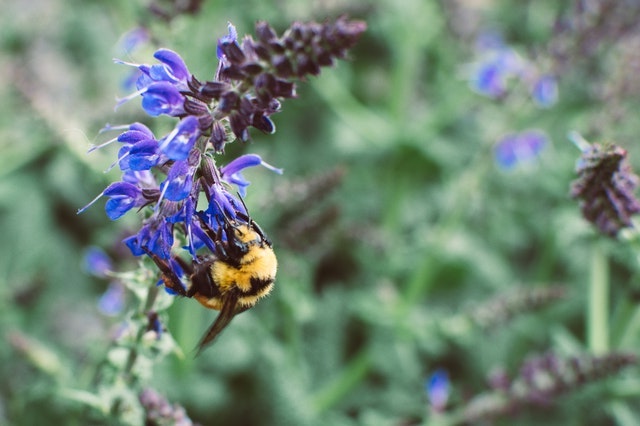
bee pollinating flower safe mosquito control products Stokes Mosquito and Outdoor Pest Service Augusta GA

MOSQUITO CONTROL PRODUCTS: INSIGHTS ON INSECTICIDES

Insecticides are a valuable source of mosquito control, but – more is not necessarily better. Here are a few reasons why.

First, overuse or misuse of an insecticide can cause insects to develop a resistance to the insecticide, resulting in bugs that available insecticides won’t kill. This applies to both indoor and outdoor insecticides. If you purchase a chemical to treat some type of insect in or around your home, it’s very important to follow the label. For example, if the label calls for “one ounce per gallon”, don’t mix at higher concentrates. Often, our thought process is “more is better”. However, this approach instead encourages resistance.

Second, applying insecticides in inappropriate quantities can lead to overspray, meaning that chemicals land where you don’t want them in addition to where you do. If your landscape includes flowering plants that attract pollinators such as bees and butterflies, overspray can be detrimental. Similarly, insecticides should not be applied haphazardly near koi ponds or other small bodies of water, because insecticides negatively impact aquatic life.

Third, certain insecticides are not safe for children or pets. As nice as it is to eliminate mosquitoes and other biting insects, it’s crucial to do your research prior to using any product in a yard used by children or pets, and, after choosing a product, follow all manufacturer’s directions to ensure proper application.

The technicians at Stokes Mosquito and Outdoor Pest Service can help rid your yard of mosquitoes and other biting insects safely. A technician develops a custom mosquito treatment plan for every yard, to ensure that appropriate amounts of insecticides are used to lessen the likelihood of resistance in an outdoor space. Stokes also rotates our chemical formulations so that mosquitoes specifically don't develop resistance. If a client has a pond or vegetable garden, the technician will customize your treatment plan to keep them safe. All treatments are sprayed on shrubs, low lying trees, your foundation, mulch beds, etc, with sensitivity toward pollinators, vegetables, and other wildlife. Any insecticides used at Stokes are EPA-approved based on extensive research. The Stokes team is committed helping you get rid of mosquitoes without having a negative impact on the rest of the environment. Children and pets will need to stay inside during treatment, but after 30 minutes, they can head back outside safely!

Say goodbye bugs and hello to spending time outside again. Stokes Mosquito and Outdoor Pest Service is a full-service outdoor pest control company, specializing in mosquito, fire ant, flea & tick control. Our custom treatment plans include all-natural, plant-based options and are bee and pollinator-friendly. We proudly serve the greater Augusta, GA, area, including Evans, Martinez, Grovetown, North Augusta, Edgefield and Aiken. Ask us about our 21-day mosquito “bite free” guarantee!

HOW FIRE ANTS WORK – AND HOW TO GET RID OF THEM

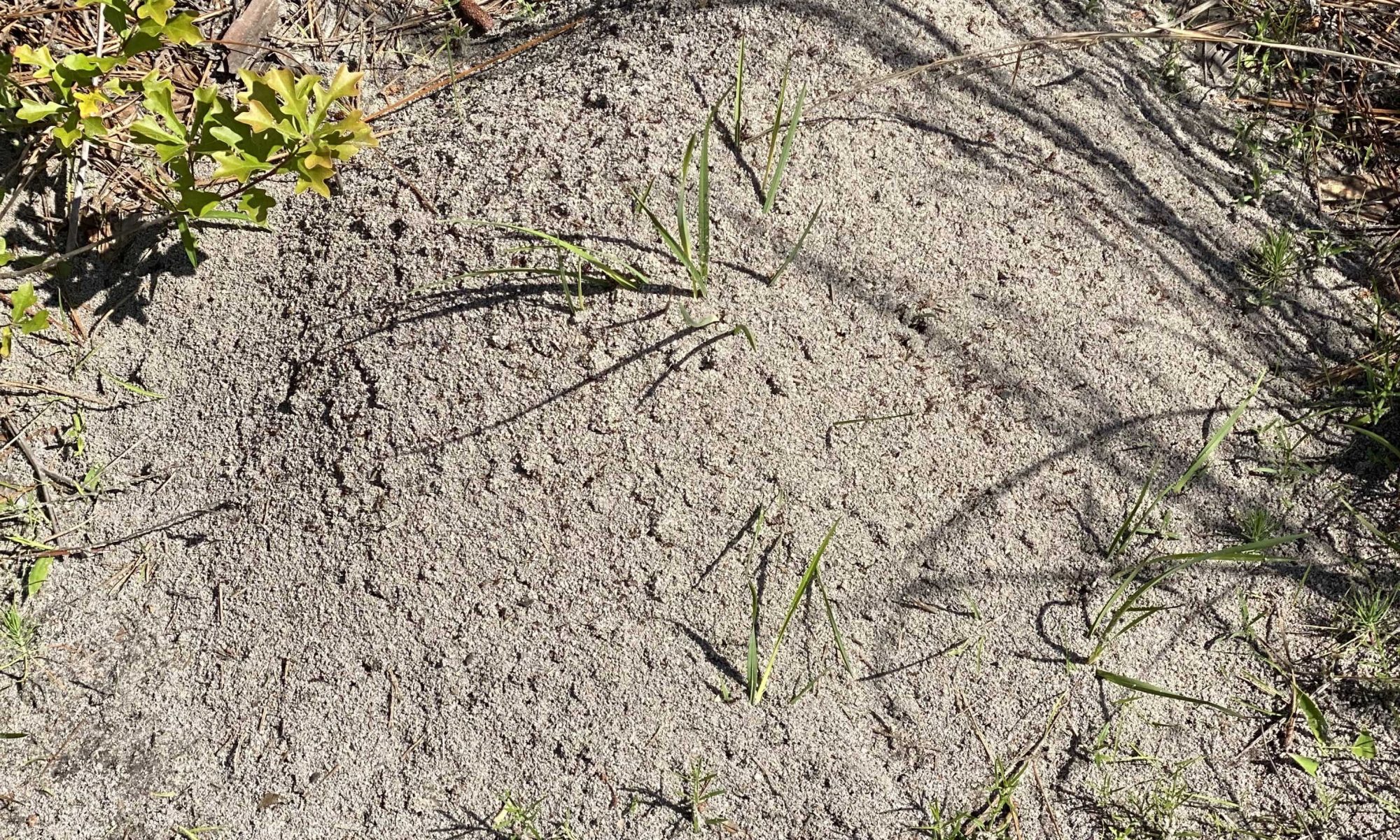
fire ant mound in CSRA fire ant control Stokes Mosquito and Outdoor Pest Service Augusta GA

HOW FIRE ANTS WORK – AND HOW TO GET RID OF THEM

fire ant mound in CSRA fire ant control Stokes Mosquito and Outdoor Pest Service Augusta GAFire ants are a challenging foe in most CSRA yards. Our seasonal humidity and landscape offers fire ants the moisture and food they need to thrive. At a minimum, their stings are uncomfortable, and, in more serious cases, they can cause a life-threatening reaction, with children, elderly adults and immuno-suppressed individuals most likely to be impacted.  You want to get rid of them, but how? First, let’s talk a bit more about fire ants.
Fire ants live in colonies, led by one or more queens. Each colony features an extensive network of tunnels located underground. The depth of the tunnels is influenced by the type of the soil and the moisture level. As you might hypothesize, tunnel systems are typically deeper in harder soils, such as clay, than in softer, sandy soils, which are more commonly found in our area. The mounds – or nests – you see in your yard are created by pushing soil up from underground, and unless conditions are too hot or dry, they are home to sterile female worker ants, all capable of stinging when threatened.

While the mounds you see above the ground are the clearest indicator of a fire ant colony, they aren’t the exclusive home of the ants, nor are they even necessary for a colony to survive. When conditions are unsatisfactory, the colony may move entirely underground and only come out at night to forage for food. Fire ants prefer to build their nests in sunny, open spaces, but we’ve all most likely seen nests in less common – but no less frustrating places – such as near trees or fallen logs or along the foundation of a home or building. (Or in a recent client case, an ant mound built adjacent to their pool pump caused bearing damage to the pump, resulting in the necessary replacement of both the pump and the motor.)

And fire ants can be challenging to keep up with. Their mounds are important to their reproductive life cycle, and as such, fire ants will move a mound to help ensure optimum conditions for the development of their brood. According to the Ant Pest Community of Practice, fire ant colonies will frequently migrate from one site to another, building a mound as far as several hundred feet away from a previous location in very short periods of time, such as overnight. Flooding, whether from rain or intentional effort, simply causes the colony to leave one mound and float until they can reach land suitable to establish a new mound.

To eliminate a fire ant colony, you must kill the queen(s) and address the full scope of the mound and underground activity. Don’t waste your time or money on fire ant treatments that are ineffective or insufficient. The experts at Stokes Mosquito and Outdoor Pest Service can help you address active mounds and discourage further ant activity in the treated areas – all with a satisfaction guarantee. Contact Stokes Mosquito to learn more about affordable and effective fire ant control in the CSRA.

Say goodbye bugs and hello to spending time outside again. Stokes Mosquito and Outdoor Pest Service is a full-service outdoor pest control company, specializing in mosquito, fire ant, flea & tick control. Our custom treatment plans include all-natural, plant-based options and are bee and pollinator-friendly. We proudly serve the greater Augusta, GA, area, including Evans, Martinez, Grovetown, North Augusta, Edgefield and Aiken. Ask us about our 21-day mosquito “bite free” guarantee!

Source: https://ant-pests.extension.org/fire-ant-habitat-and-food-sources/

SHOULD I BE WORRIED ABOUT THIS MOSQUITO BITE?

close up mosquito bite on mans hand Stokes Mosquito and Outdoor Pest Service Augusta GA Aiken SC

SHOULD I BE WORRIED ABOUT THIS MOSQUITO BITE?

Virtually no one enjoys getting a mosquito bite. When a mosquito bites, the result is an itchy bump or bumps that appear where the mosquito has punctured the skin in order to draw blood. Fortunately for those affected, the typical mosquito bite will usually clear up in just a few days. Conversely, there are cases where a mosquito bite can cause an allergic reaction that results in redness, soreness and swelling. This is more commonly seen in children who are more susceptible to these itchy bites.

Mosquitoes are attracted to their victims through the exhalation of carbon dioxide, body sent and even the chemicals in an individual’s sweat. Note that it is only the female mosquito that actually bites. This is due to the fact that the female is in search of protein rich blood that will help with the reproduction process and the production of eggs. The real question is: should you be concerned by your mosquito bite?

Life-Threatening Disease
Perhaps most concerning of all is the fact that mosquitoes are known to carry a number of different types of viruses or parasites. These viruses or parasites can result in serious illness. In fact, mosquitoes that are infected do reside in many parts of the world and can quickly spread life-threatening disease. From malaria to yellow fever and other types of viruses such as the West Nile virus, mosquitoes are a real concern to public health. Ultimately, many of the viruses spread by mosquitoes result in serious brain infections or encephalitis.

Appearance of the Bite
Symptoms associated with a bite include the development of a white or reddish bump that is puffy and itchy. In most instances this type of symptom will appear within just a few minutes of being bitten. There are also cases where a bite will result in an itchy, hard reddish-brown bump that appears up to a day or more after the initial bite. Some people also experience blisters rather than hard bumps. Even dark patches that look like bruises can develop once there has been a mosquito bite. More severe reactions include swollen lymph nodes, fever or hives. It is important to note that any time there is a question with regard to a mosquito bite that may be causing an adverse reaction, it is essential to visit with a healthcare provider soon as possible. This is especially important when it comes to symptoms such as severe headache, fever, body aches or any sign of infection.

Mosquitoes are a serious concern because of the diseases that they may carry. When a mosquito bites an infected individual the insect obtains the virus or parasite that is then passed along to the next individual that it bites. That is why it cannot be over emphasized how important it is to seek out medical attention anytime there is an adverse reaction to a mosquito related bite.

It is possible to lessen your chances of being bit in the first place. Stokes Mosquito and Outdoor Pest Service can help! Contact Stokes Mosquito to learn more about affordable and effective mosquito control in the CSRA.

Say goodbye bugs and hello to spending time outside again. Stokes Mosquito and Outdoor Pest Service is a full-service outdoor pest control company, specializing in mosquito, fire ant, flea & tick control. Our custom treatment plans include all-natural, plant-based options and are bee and pollinator-friendly. We proudly serve the greater Augusta, GA, area, including Evans, Martinez, Grovetown, North Augusta, Edgefield and Aiken. Ask us about our 21-day mosquito “bite free” guarantee!

HELP GET RID OF FLEAS AND TICKS IN YOUR YARD

HELP GET RID OF FLEAS AND TICKS IN YOUR YARD

Living in the South means that flea and tick season is year-round. Typically, ticks are more active in the warmer months, beginning in March and April, and they become less common after nighttime temperatures begin to drop below freezing.

You need to be aware of fleas and ticks in wooded outdoor areas, but they can also invade your own yard, especially if you have pets or see a lot of wildlife.

Here are a few ways to fight back:

  • Remember to consistently treat your pets for fleas and ticks. Your vet offers a variety of both preventative and remediative flea and tick treatments. Ticks can cause diseases in both humans and animals.
  • Maintain your lawn and outdoor areas. Take time to trim back bushes and plants, and clean up clippings and yard waste that may harbor moisture. Overgrown grass and bushes provide shady spaces for fleas to avoid the heat of the sun and more homes for ticks. It’s also an incentive to keep your yard clean and free of stacks of old flower pots, logs, bricks and other debris, that may provide a home for fleas and ticks.
  • Discourage other wildlife from visiting your yard. Animals like squirrels, deer, rabbits, raccoons and mice can transport fleas or ticks to your yard. Take the time to patch up holes in your fence. Keep your garbage cans fully closed, and clean up scattered bird seed and pet food. If you are planting, ask an expert which plants are deer-resistant.

Stokes Mosquito and Outdoor Pest Service can also help. Our flea and tick treatments are customized for your property and come with a satisfaction guarantee. The misting treatment used also helps prevent mosquitoes!

Ready to get started? Contact us online or call (803) 759-2110 today.

Say goodbye bugs and hello to spending time outside again. Stokes Mosquito and Outdoor Pest Service is a full-service outdoor pest control company, specializing in mosquito, fire ant, flea & tick control. Our custom treatment plans include all-natural, plant-based options and are bee and pollinator-friendly. We proudly serve the greater Augusta, GA, area, including Evans, Martinez, Grovetown, North Augusta, Edgefield and Aiken. Ask us about our 21-day mosquito “bite free” guarantee!

MOSQUITOES DO NOT TRANSMIT NOVEL CORONAVIRUS (COVID-19)

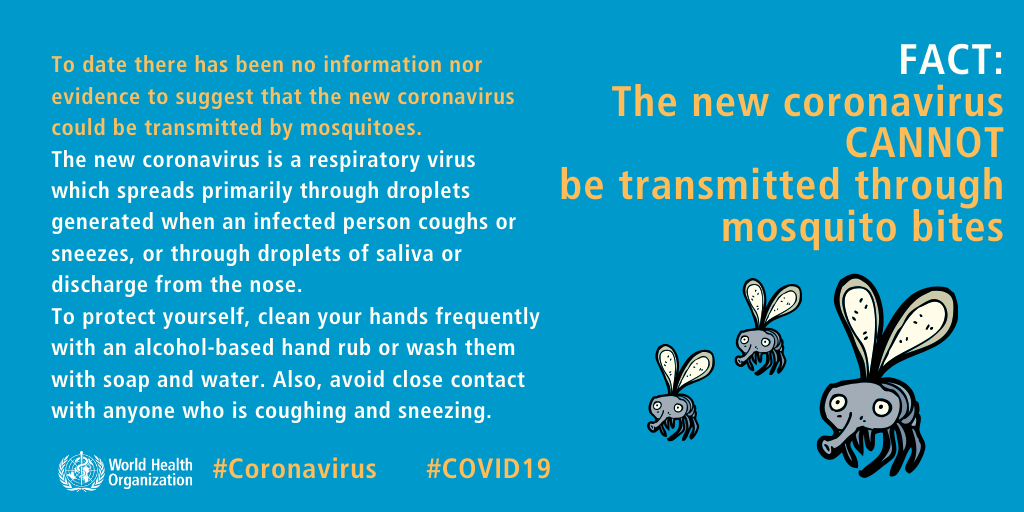
WHO information regarding Covid19 mosquito bites Stokes Mosquito and Outdoor Pest Service AugustaGA

MOSQUITOES DO NOT TRANSMIT NOVEL CORONAVIRUS (COVID-19)

https://www.who.int/emergencies/diseases/novel-coronavirus-2019/advice-for-public/myth-busters


Many of us have questions about the novel coronavirus (COVID-19) and how it spreads, and it can be difficult to sift through information. According to the World Health Organization (WHO), COVID-19 cannot be transmitted through mosquito bites. Instead, “the new coronavirus is a respiratory virus which spreads primarily through droplets generated when an infected person coughs or sneezes, or through droplets of saliva or discharge from the nose.”

However, as mosquito season begins, it is important to remember that mosquitoes are known to transmit other diseases that impact both humans and pets in Georgia and South Carolina, including: West Nile virus, Zika virus, Eastern Equine Encephalitis, La Crosse encephalitis, Saint Louis Encephalitis virus, Chikungunya virus, dog heartworm, and cat heartworm.

During this unprecedented time, our homes are feeling more important than ever. At Stokes Mosquito and Outdoor Pest Service, we continue to offer our full suite of mosquito, flea & tick, fire ant, and outdoor pest control services in areas where it is safe and responsible to do so. In light of the novel coronavirus (COVID-19), our employees are careful to remain a safe distance of 6 – 10 ft from all customers, including children. We will greet you with a wave, and, if preferred, we are happy to communicate entirely via phone or text. While we wish we could do more, we are ready and able help you protect your family from mosquitoes and other biting insects, so your outdoor spaces can truly serve as an extension of your home, at a time when being home is the best thing we can do.

Ready to get started? Contact us online or call (803) 474-0002 today.

Say goodbye bugs and hello to spending time outside again. Stokes Mosquito and Outdoor Pest Service is a full-service outdoor pest control company, specializing in mosquito, fire ant, flea & tick control. Our custom treatment plans include all-natural, plant-based options and are bee and pollinator-friendly. We proudly serve the greater Augusta, GA, area, including Evans, Martinez, Grovetown, North Augusta, Edgefield and Aiken. Ask us about our 21-day mosquito “bite free” guarantee!

Call Now