Uncategorized - Stokes Mosquito and Pest Services

Your Crawl Space Could Be Inviting Termites Into Your Home

Your Crawl Space Could Be Inviting Termites Into Your Home

Most homeowners do not spend much time thinking about their crawl space.

Honestly, fair enough. It is dark, damp, cramped, full of questionable spider activity, and generally not a place anyone visits for personal enrichment.

But while homeowners may ignore the crawl space, termites do not.

For homes in Augusta, North Augusta, Aiken, Evans, Grovetown, Martinez, and surrounding areas, crawl spaces can be one of the biggest termite risk areas on the property. They are often humid, shaded, protected, and close to the soil. In other words, they offer exactly the kind of conditions termites look for.

If your crawl space has moisture problems, wood-to-ground contact, poor airflow, or hidden leaks, it could be making your home more attractive to termites without you realizing it.

Why Termites Like Crawl Spaces

Subterranean termites live in the soil and travel from the ground to nearby wood sources. That is one reason crawl spaces can be so vulnerable.

They sit close to the ground. They often contain wooden floor joists, beams, sill plates, subflooring, and supports. They may also have plumbing, insulation, vents, and foundation areas where moisture can collect.

Termites are not looking for a grand entrance. They do not need a welcome mat or a charming front porch. They just need moisture, shelter, and access to wood.

A crawl space can provide all three.

Once termites find a way in, they can stay hidden for a long time. Homeowners may not notice anything from inside the house until damage has already developed below the floor.

Moisture Is One of the Biggest Problems

Moisture is one of the main reasons termites are drawn to crawl spaces.

A damp crawl space can come from several sources, including poor drainage around the foundation, plumbing leaks, condensation, clogged gutters, downspouts that empty too close to the home, or ground moisture rising from exposed soil.

In the Augusta area, warm weather and humidity can make crawl space moisture even worse. When air does not move well under the home, that moisture can linger. Over time, damp wood becomes more appealing to termites and can also lead to other problems like mold, mildew, and wood decay.

Termites do not need your crawl space to be flooded. They just need enough moisture to survive and move comfortably. Nature, as usual, has chosen the most annoying possible threshold.

Common Crawl Space Conditions That Attract Termites

Many termite issues start with small crawl space problems that are easy to overlook.

Some of the most common risk factors include:

  • Wood touching the soil
  • Damp wooden beams or floor joists
  • Leaky pipes or dripping HVAC lines
  • Poor crawl space ventilation
  • Standing water after rain
  • Exposed soil without a proper moisture barrier
  • Clogged gutters sending water toward the foundation
  • Downspouts draining too close to the house
  • Mulch piled against the foundation
  • Wood debris, old boards, or construction scraps under the home
  • Cracks or gaps where termites can enter
  • High humidity under the house

Any one of these conditions can increase termite risk. When several happen together, the crawl space becomes even more inviting.

And termites are not known for politely declining an invitation.

Why Crawl Space Termite Problems Are Easy to Miss

One of the biggest challenges with termites is that they are quiet.

They do not march across the kitchen floor in a neat little line. They do not announce themselves by chewing dramatically through the wall during dinner. They usually work in hidden spaces where homeowners rarely look.

In crawl spaces, termites may build mud tubes along foundation walls, piers, blocks, or wooden supports. They may enter through small cracks or gaps. They may feed on wood from the inside out, leaving the surface looking normal for a while.

That is why a home can have termite activity without obvious signs upstairs.

By the time floors feel soft, trim looks damaged, doors start sticking, or wood sounds hollow, the termites may have already been active for some time.

Signs Your Crawl Space May Have a Termite Problem

Most homeowners are not crawling under their house every weekend with a flashlight, because apparently people have hobbies and self-respect.

Still, there are signs that may point to a termite issue or termite-friendly conditions.

Watch for:

  • Soft or sagging floors
  • Doors or windows that suddenly stick
  • Bubbling or peeling paint
  • Hollow-sounding wood
  • Mud tubes on foundation walls or crawl space supports
  • Discarded termite wings near windows or doors
  • Musty smells coming from below the home
  • Visible moisture or standing water near the foundation
  • Wood damage around porch steps, decks, or exterior trim

If you notice any of these signs, it is worth scheduling a professional inspection. Even if termites are not active, moisture and wood conditions may still need attention before they create a bigger problem.

Why DIY Termite Checks Are Not Enough

Homeowners can look for warning signs, and that is a good thing. But termite inspections are not just walking around, looking for a termite or two crawling around.

A professional inspection looks at the structure, the crawl space, the foundation, moisture conditions, access points, damaged wood, mud tubes, and other termite risk factors.

That matters because termite activity is not always easy to identify. Mud tubes can be hidden behind insulation or along dark foundation areas. Damaged wood may be tucked behind stored items or located deep under the home. Moisture problems may not be obvious from the outside.

Professional inspectors know where termites are likely to travel and what signs are easy to miss.

How Homeowners Can Reduce Crawl Space Termite Risk

While professional termite protection is important, homeowners can also reduce termite-friendly conditions around the home.

  • A few helpful steps include:
  • Keeping gutters clean
  • Making sure downspouts direct water away from the foundation
  • Fixing plumbing leaks quickly
  • Removing wood scraps, cardboard, and debris from the crawl space
  • Avoiding wood-to-soil contact
  • Keeping firewood away from the house
  • Not piling mulch directly against the foundation
  • Improving drainage around low spots
  • Checking crawl space vents and airflow
  • Using a proper moisture barrier when recommended
  • Ensure existing bait stations are being properly maintained


These steps do not replace professional termite treatment or inspection, but they can make your home less attractive to termites.

The goal is simple: less moisture, less access, less hidden wood contact, and fewer opportunities for termites to settle in.

Why Augusta-Area Homes Need Termite Protection

Termites are a serious concern throughout Georgia and South Carolina, and the CSRA has many of the conditions they like. Warm temperatures, humidity, rain, wooded neighborhoods, crawl spaces, and older homes all create opportunities for termite activity.

Even newer homes are not automatically safe. Termites do not care how recently a home was built. They care whether they can find food, moisture, and access.

That is why termite prevention and inspections matter. Waiting until there is obvious damage can turn a manageable issue into a costly repair.

And unlike some pests, termites are not just annoying. They can affect the structure of your home. Mosquitoes may ruin your evening. Termites can quietly damage your investment while everyone upstairs assumes the house is minding its own business.

How Stokes Mosquito and Pest Can Help

At Stokes Mosquito and Pest, we help homeowners throughout Augusta, North Augusta, Aiken, Evans, Grovetown, Martinez, and nearby communities protect their homes from termite activity.

Our termite inspections are designed to look for signs of active termites, previous termite damage, moisture problems, crawl space risks, wood-to-ground contact, mud tubes, and other conditions that can make a home more vulnerable.

If we find termite activity, we can recommend a treatment plan based on the needs of the property. If we do not find active termites, we can still help identify risk factors and prevention options.

Either way, you get a clearer picture of what is happening under and around your home.

Do Not Let Your Crawl Space Become a Termite Welcome Center

Your crawl space may be out of sight, but it should not be out of mind.

If it is damp, humid, cluttered with wood debris, or poorly ventilated, it may be creating the kind of environment termites love. And once termites find a comfortable path into your home, they can stay hidden for a long time.

A professional termite inspection can help catch problems early, identify risk factors, and give you a plan to protect your home.

If you have not had your crawl space checked recently, now is a good time to schedule a termite inspection with Stokes Mosquito and Pest.

Because the best time to find termites is before they turn your home into a renovation project you never asked for.

FAQ

Why are crawl spaces at higher risk for termites?

Crawl spaces are close to the soil and often contain wood, moisture, shade, and limited airflow. Those conditions can make it easier for subterranean termites to travel from the ground to the structure.

Does moisture attract termites?

Yes. Termites need moisture to survive, and damp wood or humid crawl spaces can make a home more attractive to them.

Can termites damage a home without being seen?

Yes. Termites often work in hidden areas such as crawl spaces, wall voids, subflooring, and foundation areas. Homeowners may not notice obvious signs until damage has already developed.

What are signs of termites in a crawl space?

Common signs include mud tubes, damaged wood, hollow-sounding wood, moisture problems, discarded wings, and soft or sagging floors above the crawl space.

Can I check my crawl space for termites myself?

You can look for obvious warning signs, but a professional inspection is recommended. Termite evidence can be subtle, hidden, or easy to mistake for another issue.

How often should I have my home inspected for termites?

Many homeowners benefit from regular termite inspections, especially in warm, humid areas like Augusta and the CSRA. If your home has a crawl space, moisture problems, or past termite activity, inspections are especially important.
Common Ants in Augusta and the CSRA: What Homeowners Need to Know

Common Ants in Augusta and the CSRA: What Homeowners Need to Know

Ants are one of the most common pest problems homeowners face throughout the Augusta area and surrounding CSRA communities. Whether you live in Augusta, Evans, Martinez, Grovetown, North Augusta, or Aiken, chances are you’ve encountered ants at some point inside your home or throughout your yard. While many ant species are harmless outdoors, some can become persistent nuisances, contaminate food, damage property, or make outdoor spaces uncomfortable to enjoy.

The warm climate, mild winters, and long growing season throughout the CSRA create ideal conditions for ant populations to thrive nearly year-round. Understanding the most common ant species in our area can help homeowners identify potential problems early and know when professional treatment may be the most effective solution.

Argentine Ants

Argentine ants are among the most common nuisance ants found throughout the Augusta area. These small, light brown ants often invade homes in search of food and moisture, particularly during periods of heavy rain, drought, or extreme temperatures.

One of the reasons Argentine ants can be so frustrating is their colony structure. Unlike many ant species that have a single queen, Argentine ant colonies often contain multiple queens and can spread across large areas. What appears to be a small infestation inside the home may actually be connected to a much larger colony hidden throughout the landscape.

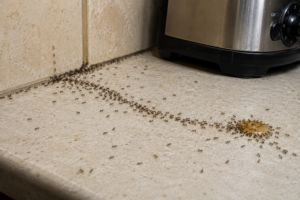
Homeowners in Augusta, Martinez, and Grovetown frequently notice Argentine ants forming long trails along foundations, sidewalks, kitchens, and bathrooms. Because of their large colony size, eliminating the ants you can see rarely solves the underlying problem.

Odorous House Ants

Odorous house ants are another common pest throughout Evans, North Augusta, Aiken, and surrounding communities. These tiny dark ants get their name from the strong odor they release when crushed, which many people describe as smelling similar to rotten coconut.

Odorous house ants are especially attracted to sweet foods and frequently invade kitchens, pantries, and food storage areas. Outdoors, they often nest beneath mulch, landscaping materials, rocks, and decorative features around the home.

Because these ants can relocate their nests quickly when disturbed, homeowners often find that store-bought sprays provide only temporary relief before the ants return days or weeks later.

Fire Ants

Few pests are more recognizable throughout Georgia and South Carolina than fire ants. These aggressive ants build large mounds in lawns, flower beds, playgrounds, athletic fields, and common areas throughout residential neighborhoods.

Fire ants are especially common in Augusta, Grovetown, Evans, and Aiken, where open grassy areas and warm soil conditions provide ideal nesting environments. After periods of rain, homeowners often notice new mounds appearing seemingly overnight as colonies expand and establish new nesting sites.

Beyond being a nuisance, fire ants pose a legitimate concern for families and pets. Their painful stings can make outdoor activities uncomfortable and, in some cases, may trigger allergic reactions. Fire ant colonies can also damage landscaping and create hazards in areas where children and pets play.

Carpenter Ants

Carpenter ants are among the largest ants homeowners encounter in the CSRA. Unlike termites, carpenter ants do not consume wood. However, they tunnel through wood to create nesting galleries, which can contribute to structural damage over time if infestations are left untreated.

These ants are commonly found around homes in Martinez, Evans, North Augusta, and Aiken, particularly in areas with mature trees and moisture-damaged wood. Carpenter ants are often attracted to damp wood around windows, rooflines, decks, crawl spaces, and exterior trim.

Many homeowners first notice carpenter ants when they see large black ants indoors or discover small piles of wood shavings near nesting areas. Because carpenter ants are frequently associated with moisture issues, identifying and correcting the source of excess moisture is often an important part of the treatment process.

Pavement Ants

Pavement ants are commonly found nesting beneath driveways, sidewalks, patios, and concrete slabs. While they typically do not cause structural damage, they can become a nuisance when colonies expand and begin foraging inside the home.

These ants are attracted to a wide variety of food sources and can quickly establish trails through kitchens, garages, and living spaces. Their ability to nest beneath hard surfaces often makes locating the colony more difficult than homeowners expect.

Why Ants Are So Common Around Augusta Area Homes

The climate throughout Augusta, Evans, Martinez, Grovetown, North Augusta, and Aiken provides ideal conditions for ant activity. Warm temperatures, seasonal rainfall, irrigated landscapes, mulch beds, and mature vegetation all create favorable environments for ant colonies to establish and grow.

Weather patterns also play a major role in ant activity. During heavy rain, ants often seek higher ground and may move indoors. During periods of drought, they frequently enter homes searching for moisture. As a result, homeowners often experience sudden increases in ant activity following significant weather changes.


Don’t wait until ants have taken over. Contact us today!

What Homeowners Should Do

If you’re noticing ant activity around your property, there are several steps you can take to make your home less attractive to ants and help prevent infestations from growing.

  • Store food in sealed containers whenever possible.
  • Clean up crumbs, spills, and pet food promptly.
  • Repair leaking faucets, pipes, and outdoor spigots.
  • Trim shrubs and tree branches away from the home’s exterior.
  • Keep mulch from being piled directly against the foundation.
  • Inspect gutters and downspouts to ensure proper drainage.
  • Seal cracks and gaps around doors, windows, and utility entry points.
  • Monitor areas where ants are frequently appearing and note any trails or nesting activity.

These preventative measures can help reduce attractants and make it more difficult for ants to establish colonies around your home.

What Homeowners Should Avoid

Many homeowners unknowingly make ant problems worse while attempting to solve them. Avoid these common mistakes:

  • Don’t spray every ant trail you see without identifying the species.
  • Don’t disturb fire ant mounds by kicking, digging, or flooding them.
  • Don’t rely solely on store-bought sprays for recurring infestations.
  • Don’t ignore small ant problems, as colonies can grow quickly.
  • Don’t leave food, sugary drinks, or pet food accessible for long periods.
  • Don’t assume the ants you see represent the entire colony.
  • Don’t overapply pesticides or combine multiple products without understanding how they work.
  • Don’t wait until ants have spread throughout the home before seeking professional help.

Remember, the ants visible inside your home are often just a small fraction of a much larger colony hidden somewhere on the property. Successful ant control typically requires identifying the species involved and addressing the source of the infestation, not just the ants that happen to be visible at the moment.

Why Store-Bought Ant Products Don’t Always Work

Many homeowners become frustrated when ants return shortly after treatment. In most cases, the issue isn’t the product itself. It’s that the treatment never reaches the colony.

Many common ant species found throughout the CSRA maintain large colonies with thousands of workers and multiple queens. Surface sprays often kill only the ants that come into direct contact with the product while leaving the colony intact.

Different ant species also require different treatment methods. What works effectively for one species may have little impact on another. Without proper identification and targeted treatment, ant populations can continue to grow despite repeated DIY efforts.

Professional pest control focuses on identifying the species involved, locating nesting areas, and implementing treatment strategies designed to address the entire colony rather than just the visible ants.

Professional Ant Control Solutions

At Stokes Mosquito and Pest, most common ant species can be treated as part of our General Pest Control Service or through a standalone ant treatment program for homeowners experiencing specific infestations.

For homeowners dealing with fire ants, we also offer a Premium Fire Ant Treatment Program that provides year-round protection. Rather than simply treating visible mounds, this service is designed to help control fire ant activity throughout the property and reduce the likelihood of future infestations.

Whether you’re dealing with Argentine ants in Augusta, fire ants in Grovetown, carpenter ants in Evans, or recurring indoor ant problems in North Augusta or Aiken, professional treatment can help identify the source of the infestation and provide long-term relief.

Summary

Ants are a common part of life throughout the CSRA, but recurring infestations don’t have to become a permanent problem. Understanding the most common ant species in our area, practicing good prevention habits, and addressing infestations early can help protect your home and your family’s comfort.

If ant activity is becoming difficult to manage, professional treatment can provide a more effective and long-lasting solution, allowing you to enjoy your home and outdoor spaces with greater peace of mind.

Say ‘goodbye’ to ants. Contact us today!

Common Household Pests in the CSRA and Why They’re So Active Around Augusta and North Augusta

Common Household Pests in the CSRA and Why They’re So Active Around Augusta and North Augusta

Homeowners throughout the Central Savannah River Area deal with pest problems far more often than people in cooler parts of the country. Communities across Augusta, North Augusta, Evans, Martinez, Grovetown, and Aiken all share the same warm, humid climate that allows insects and other pests to stay active for most of the year.

The Augusta area has a humid subtropical climate with long summers and relatively mild winters. Average summer temperatures regularly reach the 90s, and the region receives roughly 45 inches of rainfall each year. Those conditions create an ideal environment for many pest species to survive and reproduce.

Because of this climate, homeowners across Richmond County, Columbia County, and Aiken County commonly encounter pests like ants, cockroaches, spiders, and stinging insects around their homes. Once these pests establish themselves near a property, they often only need small structural openings to move indoors.

Understanding why pests are so common in the CSRA and how they typically enter homes can help property owners take steps to prevent infestations before they start.

Why Pest Problems Are So Common in the CSRA

The Augusta metropolitan area sits along the Savannah River and includes a combination of wooded land, suburban neighborhoods, and older residential areas. This mix of environments provides ideal habitats for insects and other pests.

Warm temperatures allow insects to reproduce multiple times during the year, while high humidity helps many pests survive indoors. Tree cover and dense vegetation around homes also provide shelter for insects before they eventually move inside structures in search of food or water.

Many neighborhoods in Evans, Martinez, Grovetown, and North Augusta also include landscaped yards, irrigation systems, and shaded areas that maintain moisture in the soil. These conditions create favorable environments for insects such as ants and cockroaches to establish colonies close to homes.

When pest populations increase outdoors, it becomes much easier for them to find their way inside.

Ant Problems Homeowners See Most Often

Ant infestations are one of the most common pest complaints among homeowners throughout the CSRA. Residents in communities like Evans and Martinez often experience seasonal ant activity around their homes, while older neighborhoods in Augusta and North Augusta frequently see ants entering through foundation cracks and gaps.

Several species are common in the area, including red imported fire ants, odorous house ants, pavement ants, and carpenter ants.

Fire ants are a major concern for homeowners throughout the CSRA. Red imported fire ants are common across the southeastern United States and are known for building large mound-shaped nests in lawns, gardens, parks, and open fields. This is noticed often times after a heavy rain. These ants are especially aggressive and will swarm quickly if their mound is disturbed. Unlike many other ant species, fire ants deliver painful stings that can cause burning sensations and raised welts, and some individuals may experience allergic reactions. Fire ant colonies can contain hundreds of thousands of ants and may spread rapidly across a property if left untreated. Lawns with full sun, moist soil, and open turf areas often provide ideal nesting conditions, which is why many residential yards in the CSRA experience recurring fire ant activity during the warmer months.

Other ants can be a nuisance as well such as odorous house ants which are often attracted to sugary foods and are commonly found in kitchens and pantries. Pavement ants typically build nests in soil near sidewalks, driveways, and home foundations. They often enter homes through small cracks in concrete or masonry.

Carpenter ants are larger and create nesting galleries in damp or damaged wood. Although they do not consume wood like termites, their tunneling can weaken structural materials over time. Homes located near wooded areas in Martinez, Evans, and Aiken often experience more carpenter ant activity because these environments provide natural nesting sites.

Cockroaches Thrive in Warm, Humid Homes

Cockroaches are another pest that thrives in the warm and humid conditions found throughout the CSRA. Homes across Augusta, North Augusta, and surrounding communities frequently encounter both American cockroaches and German cockroaches.

American cockroaches are large reddish-brown insects sometimes referred to as palmetto bugs. They are often found in crawl spaces, basements, sewer systems, and other damp areas before entering homes.

German cockroaches are smaller but reproduce very quickly. A single female German cockroach can produce thousands of offspring in a single year, which allows infestations to grow rapidly if they are not addressed early.

Cockroaches are typically attracted to food residue, grease buildup, and moisture. Kitchens, bathrooms, laundry rooms, and areas behind appliances are common locations where roaches hide inside homes.

Noticing unwanted pests? Contact us for bi-monthly or quarterly general pest services and stay bug free year round!

Why Spiders Often Appear Indoors

Spiders are another pest commonly encountered inside homes across the Augusta area. Although most spiders found in the CSRA are harmless, they can still make homeowners uncomfortable.

Spiders typically enter homes in search of prey, which means their presence often indicates that other insects are already nearby. Common spider species in the region include wolf spiders, cellar spiders, and house spiders.

Although most spiders found inside homes are harmless, the Southeast is also home to black widow spiders. These spiders typically live outdoors in dark, sheltered areas such as sheds, crawl spaces, and wood piles, and encounters inside homes are relatively uncommon as black widows are shy and avoid humans.

Homes located near wooded areas in Aiken, Grovetown, and parts of Martinez and Evans often see higher spider activity because outdoor insect populations are greater in these environments.

Garages, basements, crawl spaces, and quiet corners of rooms provide ideal locations for spiders to build webs and hunt insects.

Wasps and Stinging Insects Around Homes

Stinging insects are another common pest issue for homeowners throughout the CSRA. Residents in Augusta, North Augusta, Evans, Martinez, Grovetown, and Aiken frequently encounter wasps building nests around homes during the warmer months.

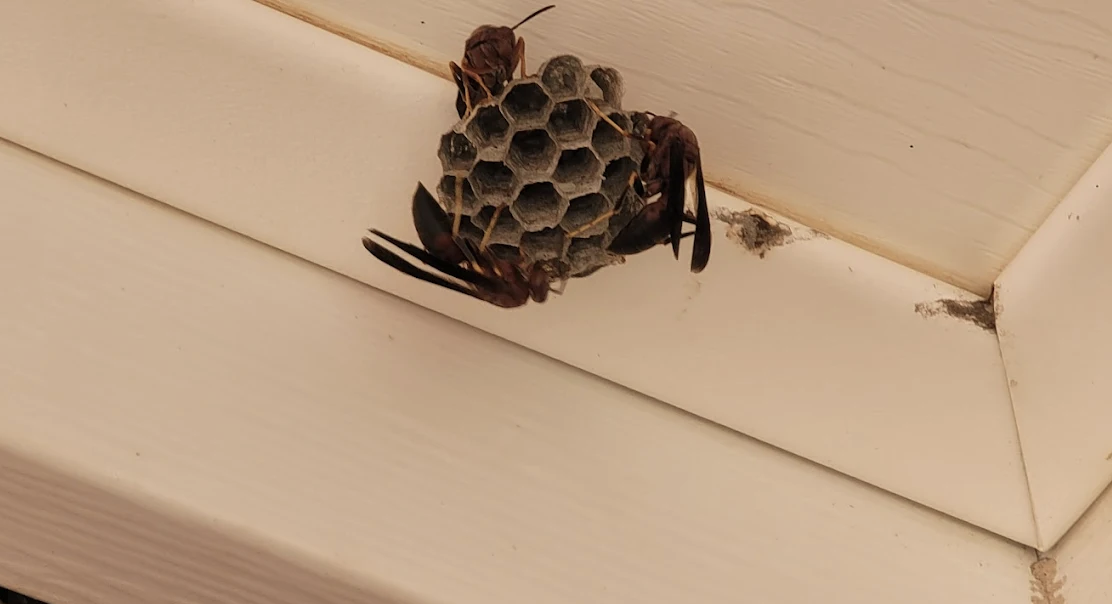
Several species are common in the region, including paper wasps, yellowjackets, and mud daubers. Paper wasps often build umbrella-shaped nests under eaves, porch ceilings, deck railings, and other protected outdoor structures. Yellowjackets typically build nests in the ground or inside wall voids and can become aggressive if their nest is disturbed.

Mud daubers are solitary wasps that create tube-shaped nests made of mud, often attaching them to exterior walls, garages, and sheds. While mud daubers are generally less aggressive than other wasp species, their nests can still become a nuisance around entryways and outdoor living spaces.

Because the CSRA has a long warm season, wasp activity can begin in early spring and continue well into the fall. Homes with covered porches, outdoor lighting, and sheltered rooflines often provide ideal locations for nests to develop.

Regular exterior inspections and early nest removal can help prevent stinging insect populations from growing around the home.

wasp nest

How Pests Enter Homes

Many pest infestations begin when insects find small structural gaps that homeowners may not notice. Cracks in foundations, gaps around windows and doors, openings around plumbing lines, and attic vents are all common entry points.

Garage doors that do not seal properly against the ground can also allow pests to enter. In Augusta and North Augusta, where many homes are built with crawl spaces instead of basements, moisture underneath homes can attract insects and create ideal nesting conditions.

Regular inspections and sealing these openings can significantly reduce the chances of pests entering a home.

The Importance of Preventative Pest Control

In warm climates like the CSRA, pest problems rarely disappear on their own. Many insects reproduce quickly, and once a colony becomes established inside a structure it can become difficult to eliminate.

Preventative pest control focuses on identifying entry points, treating the exterior of the home, and monitoring pest activity throughout the year. Regular service helps create a protective barrier around a property and reduces the likelihood of infestations developing indoors.

Because the pest pressures in Augusta, North Augusta, Evans, Martinez, Grovetown, and Aiken are influenced by similar environmental conditions, many homeowners benefit from year-round pest control programs designed specifically for the region. We offer general pest control treatments on a bi-monthly or quarterly basis depending on the pest pressure at your home.

Protecting Your Home From Pests in the CSRA

Pest activity is a normal part of life in the Augusta area, but homeowners can still take steps to reduce the likelihood of infestations. Sealing entry points, reducing excess moisture around the home, storing food properly, and maintaining a clean environment all help discourage pests.

Regular pest control service can also help identify potential problems early and prevent infestations from becoming more serious.

Stokes Mosquito and Pest provides pest control services throughout Augusta, North Augusta, Evans, Martinez, Grovetown, Aiken, and surrounding communities across the CSRA.

FAQ: Pest Control in the Augusta Area

What pests are most common in the CSRA?

Common pests in the Augusta area include ants, cockroaches, spiders, termites, fleas, mosquitoes, and stinging insects like wasps and yellowjackets. The region’s warm climate allows many of these pests to stay active for much of the year.

Why are there so many bugs in Augusta and North Augusta?

The humid subtropical climate, consistent rainfall, and long warm seasons create ideal breeding conditions for insects and other pests.

How often should homes receive pest control treatments?

Our solutions are labeled to last up to 90 days. We recommend quarterly  or bi-monthly treatments to help maintain a protective barrier around the home and reduce the chance of infestations.

Do newer homes in Evans and Grovetown still experience pest problems?

Yes. Even newly built homes can experience pest issues. Construction can disturb existing insect habitats, which sometimes pushes pests toward nearby houses.

Don’t wait until pests are out of control! Schedule your first treatment today!

The Hidden Termite Damage Most Homeowners Never See

The Hidden Termite Damage Most Homeowners Never See

Termites cause damage quietly, slowly, and out of sight. That’s not accidental. Subterranean termites, which are the most common species in Augusta, North Augusta, Aiken, Evans, Grovetown, and Martinez, are built to avoid light, air, and human attention.

They also don’t rest. Termite colonies feed and expand around the clock, which means damage continues even when nothing appears to be changing inside the home.

Most infestations begin underground and move upward into a home’s structure. By the time visible damage appears, termites have often been active for months or even years. In many cases, the majority of the damage has already occurred before homeowners notice anything unusual. This is why termite problems are rarely discovered early and why inspections and prevention play such an important role.

Where Termites Actually Live and Work

In this region, termites typically enter homes through soil near the foundation. They can squeeze through cracks as small as 1/32 of an inch, thinner than a credit card, making even minor foundation gaps a potential entry point. Once inside, they build mud tubes to protect themselves as they travel between the ground and wood structures.

Termites feed on framing, subfloors, sill plates, and other structural wood components. They also consume materials many homeowners don’t associate with termites, including drywall backing, insulation, and paper products, as long as cellulose is present.

Common activity areas include crawl spaces, behind baseboards, inside wall voids, around plumbing penetrations, and beneath flooring. These spaces are rarely part of daily household routines, which allows termites to remain undetected.

Because the damage occurs internally, walls, floors, and trim can look completely normal even when structural wood has already been compromised.

What a Professional Termite Inspection Looks For

A professional termite inspection goes far beyond checking for live insects. Inspectors evaluate both current activity and conditions that make termite infestations more likely.

This includes looking for mud tubes, damaged or hollow-sounding wood, moisture accumulation, wood-to-ground contact, and signs of previous termite damage. It’s also important to note that early infestations don’t always produce visible mud tubes. In many cases, termite activity begins behind walls or under flooring where surface signs are not yet present.

Inspectors also assess drainage, ventilation, and construction features that may allow termites easier access. In many cases, inspections uncover risk factors before termites become active. Addressing these early helps prevent infestations rather than reacting to them later.

Why Moisture Is One of the Biggest Risk Factors

Termites require moisture to survive. In humid areas like the CSRA, crawl spaces and foundations often retain moisture if drainage or ventilation is inadequate.

Leaking pipes, poor grading around the home, clogged gutters, or standing water near the foundation can all increase termite risk. Even small, long-term moisture issues can create ideal conditions for termite colonies to establish and grow. Once moisture problems exist, termites are far more likely to remain active and spread unnoticed.

Reducing moisture levels is one of the most effective ways to support long-term termite prevention.

How Preventative Treatments Protect the Structure

Preventative termite treatments create a protective barrier around or beneath the home that deters termites from entering or surviving near the structure. These treatments are designed to interrupt termite activity before damage occurs.

Homes with preventative treatments in place are less likely to show active infestations during inspections and typically experience fewer issues over time. While prevention cannot guarantee termites will never appear, it dramatically lowers the risk and severity of potential problems.

This is especially important because termite damage is often not covered by standard homeowners insurance, since infestations are considered preventable. In termite-prone areas like Evans, Grovetown, and Martinez, prevention is often far more cost-effective than treating an active infestation and repairing structural damage afterward.

Why Inspections Matter During Home Sales and Refinancing

Many real estate transactions require a Wood Destroying Organism (WDO) inspection. These inspections help buyers and lenders determine whether termites or other wood-destroying organisms are present and whether conditions exist that could lead to future damage.

A WDIR, or Wood Destroying Insect Report, documents the findings of the inspection. If termites, previous damage, or high-risk conditions are identified late in the transaction, treatment or repairs may be required before closing can proceed.

At Stokes Mosquito and Pest, we provide WDO inspections and WDIRs for homes throughout Augusta, North Augusta, Aiken, Evans, Grovetown, and Martinez. When homes are maintained with regular inspections and preventative care, these reports are often straightforward and free of surprises.

Staying Ahead of a Problem Designed to Stay Hidden

Termites rely on time, moisture, and limited visibility. They don’t need attention to cause damage, and colonies can grow to hundreds of thousands or even millions of termites without ever being seen.

Regular inspections and preventative treatments help homeowners stay ahead of a problem that is specifically designed to go unnoticed. When termite protection is already in place, inspections tend to confirm what homeowners hope to hear. When protection has been ignored, inspections often uncover problems that could have been prevented years earlier.

In regions like the CSRA, proactive termite care isn’t excessive. It’s practical home maintenance.

Frequently Asked Questions

Why are termites difficult to detect without an inspection?
Termites live underground and inside wood structures, avoid light and open air, and can cause extensive internal damage before any visible signs appear.

How often should termite inspections be performed in this area?
Annual termite inspections are recommended for most homes in Augusta, North Augusta, and surrounding CSRA communities due to high termite activity.

What is included in a WDO inspection?
A WDO inspection checks for termites and other wood-destroying organisms, evaluates damage, and identifies conditions that increase the risk of infestation.

What is a WDIR used for?
A WDIR documents inspection findings and is commonly required by lenders during home purchases or refinancing.

Is termite prevention more effective than treatment?
Preventative termite treatments typically cost less, reduce the risk of infestation, and help homeowners avoid extensive damage and repair costs later.

Call Now